June 7 — Thunder Bay, Ontario to Iqaluit, Nunavut
North, to the arctic
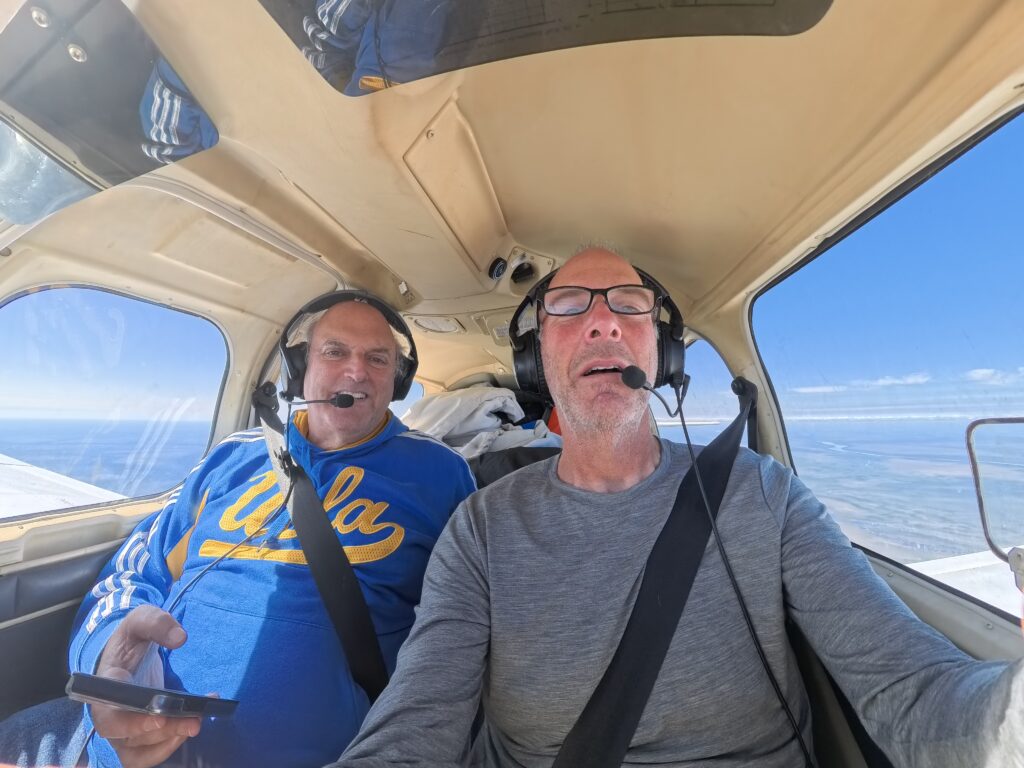
We got a taxi to the airport at 7 and then had an hour-long wait to get our plane fueled. We should have had that done when we arrived the night before. We finally launched into mostly clear skies at 9:17. It took a while for air traffic control to see our transponder (which identifies my plane on the radar screen), but just as I was wondering whether I’d have a problem to solve they spotted us.
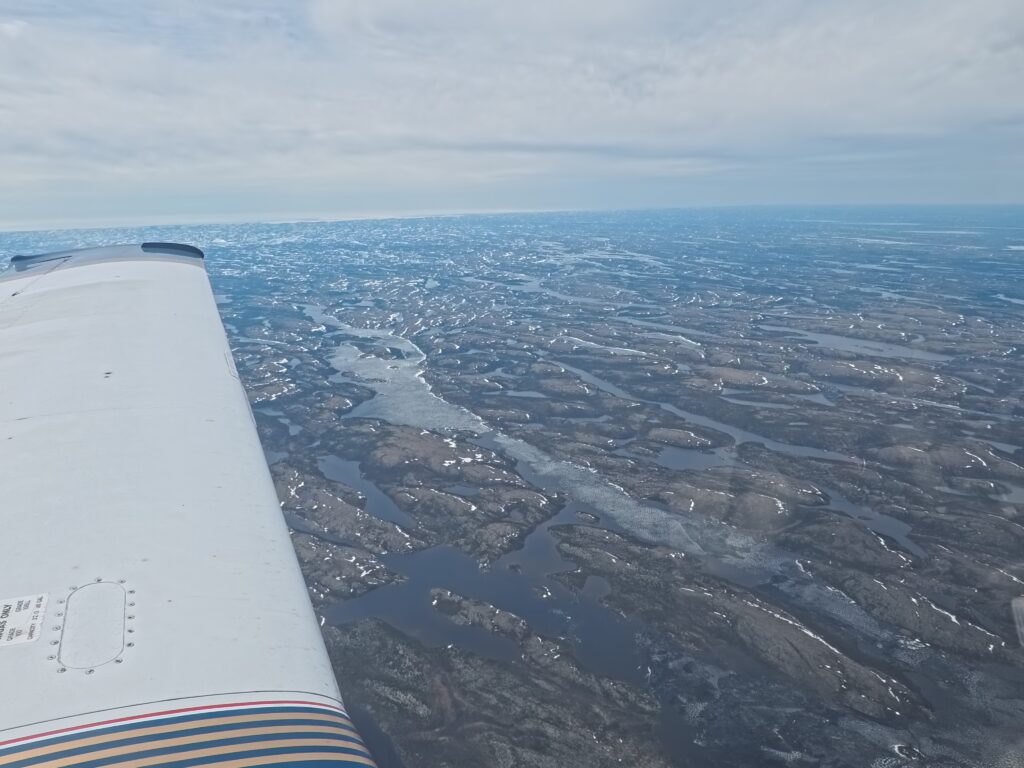
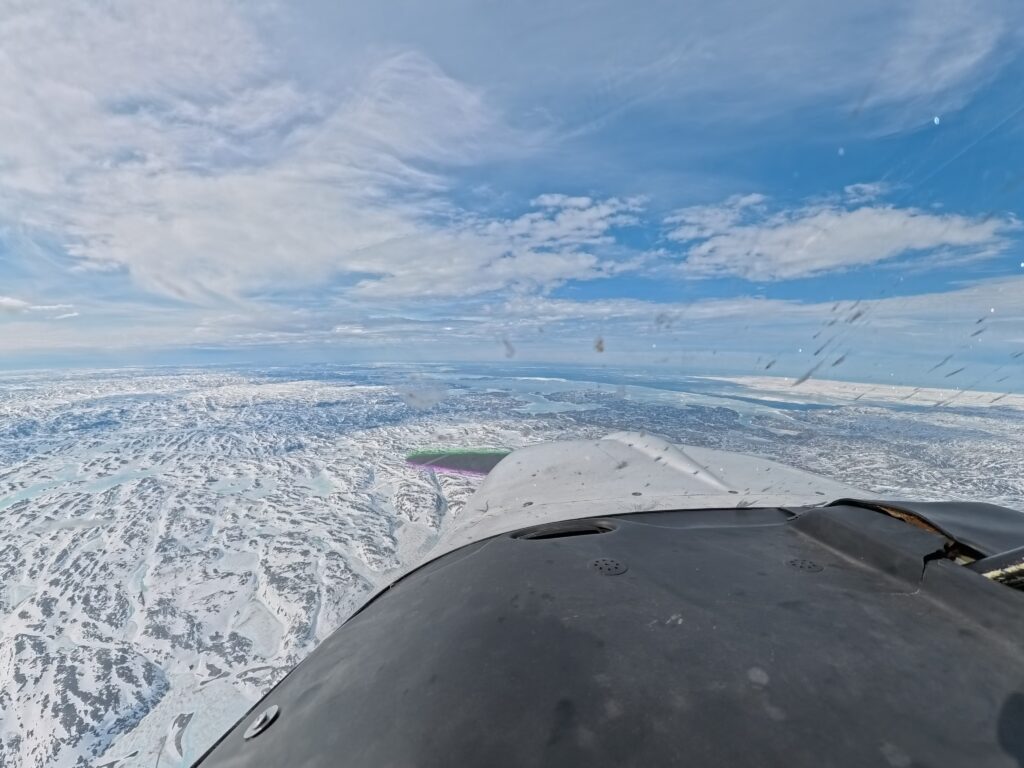
We crossed the southern part of Hudson Bay, and much of it was ice. At 7,000 feet, we were within glide range of land for all but a short portion of the crossing, but I did think about whether the ice was thick enough to support my plane if the engine failed and I needed to land.
There was not much else to see en route, other than the vast expanse of uninhabited Canada, which I think you cannot fully appreciate until you have experienced traveling through it, mile after mile, hour after hour, with no manmade object in site, no radar contact with air traffic control, and gaps when you can’t reach a controller by radio, either. You’re very much alone with your airplane, relying on it to keep functioning long enough to reconnect you with the rest of the world. These are the moments when you’re grateful for your mechanic and their skill in maintaining the plane that is keeping you airborne when there’s nobody in sight and nobody within earshot of your radios.
As we neared our fuel stop at La Grande Riviere, we saw another plane on our avionics displays through a technology known as ADSB; it was approaching from our right and was going to beat us to the field. When we landed we saw the blue Cirrus at the fuel pump. It was a new plane being ferried from Knoxville to Berlin by Mike, a ferry pilot from Oklahoma who has, we were later told, more than 600 North Atlantic crossings under his belt. He, too, was headed for Iqaluit.
We finished our eight-hour flying day by crossing over the Hudson Strait and the southern part of Baffin Island to reach Iqaluit, the capital of Nunavut, a town of about 7000. It is spelled ᐃᖃᓗᐃᑦ in Inuktitut. The buildings are on stilts; otherwise, the heat from the buildings would melt the permafrost and destabilize the foundations. The airport has avgas by 55-gallon drum; the fuel that wouldn’t fit in my wing tanks went into my ferry tank, and the man pumping the fuel knew how to do that without spilling it, because he had fueled many a ferry tank before. People needing avgas don’t generally go to Iqaluit unless they’re making the long journey across to Europe.